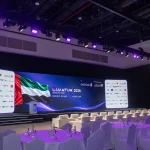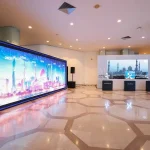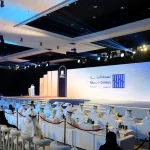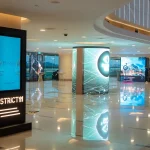
Planning an event in the UAE is thrilling, there’s world-class infrastructure, diverse audiences, and venues that can handle anything from government ceremonies to high-energy brand launches. Yet the same pitfalls keep showing up, even for seasoned teams. This guide walks you through the seven most common mistakes, why they happen, and the simple, professional fixes that keep your program smooth from load-in to the final goodbye. It’s written in clear language, optimized for search, and based on what we actually see on site.

How to Avoid the Top 7 Event Planning Mistakes in the UAE
1) Not Confirming Venue Access Early
Great designs collapse when trucks can’t enter on time, freight lifts are too small, or rigging windows are restricted. Before you lock creative, confirm your build and strike timings, truck routes, marshaling procedures, and any quiet hours that limit overnight work. Measure door widths, check ceiling heights and floor loads, and verify whether rigging points require advance certification. For major venues (DWTC, ADNEC, Sharjah Expo) or hotel ballrooms and outdoor sites, access rules can differ by hall and by date. Add realistic buffer time to account for site security and peak arrival of suppliers. A simple “access rehearsal” on paper gate to offload to staging to final position often prevents hours of delay.
2) Guessing Power, Distribution, and Cable Runs
Undersized power is the silent killer: LED flicker, buzzing speakers, and unexpected shutoffs. List every load across LED screens, lighting fixtures, audio, laptops, signage, HVAC, and catering, then calculate total amperage and engineer distribution accordingly. Keep audio and LED on clean power, size cable gauge to distance, and avoid long runs that introduce voltage drop. Always specify a backup generator with an automatic transfer switch and carry spare breakers and distro. We recommend maintaining 10–20% headroom for late additions and running a live draw test during technical rehearsal so surprises happen before the doors open, not during your keynote.
3) Sound, Light, and Video Not in Sync
When different departments operate in silos, cues drift and the audience feels it immediately. Assign a single showcaller responsible for one master cue sheet, ideally time-coded, and rehearse the full show from start to finish openers, voice-over, stings, walk-ons, lighting chases, and transitions. Keep mirrored show files and redundant playback so a frozen laptop can’t derail the moment. A quiet “full dress minus audience” the night before catches 90% of timing issues you’ll never hear in a noisy hall during setup.
4) Designing Beauty but Ignoring Guest Flow
Registration jams, narrow aisles near F&B, and crowded photo-ops can turn a premium build into a frustrating experience. Map the journey like a storyboard: entrance to registration to experience zones to stage to refreshment points to exit. Provide bilingual signage in English and Arabic that’s visible from a distance and consistent across touchpoints. Widen pressure zones, use simple floor markings for queues, and position stewards with radios to dissolve micro-jams fast. Where VIPs or speakers are involved, run a parallel, quieter lane and give them a clearly signed route to the green room and stage.
5) Skipping a Weather Plan for Outdoor Events
The UAE’s climate can swing from heat and humidity to breezy evenings and occasional showers. Without a written Plan B, comfort and safety suffer and equipment does too. Put a tented or indoor fallback on hold from the start. In summer, plan shade, misting, fans, or portable AC; in cooler months, bring heaters and wind screens. Use wind-rated structures, ballast where needed, and waterproof covers for consoles and LED processors. Most importantly, define trigger points in writing temperature thresholds, wind speed, or rain so the switch to Plan B is automatic and agreed in advance, not argued in the moment.
6) Treating VIP and Backstage Protocol as an Afterthought
Protocol slips become headlines quickly. Draft a VIP run sheet that includes arrival sequence, green room timings, escort procedures, stage walk, and photo line. Confirm seating charts, name plates, honorifics, and security routes well before show day. Brief the MC, ushers, and security together so everyone is working from the same timings and language. Backstage, a large mirror board or digital screen showing “who’s next” reduces confusion and keeps your pace steady without constant radio chatter.
7) Locking Creative Too Late and Changing Too Often
Late approvals trigger reprints, overtime, and technical errors. Protect your budget and quality by locking drawings for stages, booths, and layouts early, along with AV specifications and content deadlines. Run weekly checkpoints, then tighten cadence in the final stretch with a T-minus schedule (two weeks out, one week out, three days, and the day before). Maintain a contingency budget of 10–15% to absorb genuine needs without derailing the build. A 72-hour “red team” review fresh eyes checking flow, safety, power, and content usually finds the last hidden gaps.
A Quick Recap You Can Share with Your Team
Confirm venue access and rigging windows before design; engineer power with clean distribution and headroom; put one showcaller in charge and rehearse end-to-end; design for guest flow with bilingual wayfinding; write and pre-agree your weather triggers; formalize VIP protocol and backstage routes; and lock creative early with a T-minus plan and sensible contingency. These seven habits turn complicated builds into calm show days.
Why Choose Topaz Events in the UAE
Topaz Events delivers an end-to-end production stage, lighting, sound, LED, truss, power, and on-site showcalling under one accountable team, so your plan on paper matches the reality in the hall. We work fluently across DWTC, ADNEC, Sharjah Expo, hotel ballrooms, and outdoor grounds, building compliance, redundancy, and weather readiness into every design. Our approach is simple: prevent problems before they start, move fast when change is necessary, and protect the guest experience above all. If you’re planning a corporate event, sports event, product launch, gala, conference, or festival in the UAE, plan smartly with Topaz event management and enjoy a show that looks premium, runs on time, and feels effortless.
FAQs: Frequently Asked Questions
When should I start on permits in the UAE?
For larger builds or outdoor events, begin three to six weeks in advance. Secure venue approvals first, then municipality or civil defense clearances, and traffic permissions if heavy vehicles or road use are involved.
How do I avoid tech mishaps on show day?
Put one showcaller in charge of a master cue sheet and rehearse the entire program end-to-end. Keep redundant playback and mirrored show files so a single device failure doesn’t stop the show.
Do I really need a weather backup?
Yes. Heat, wind, or a brief shower can disrupt comfort and damage equipment. Hold a tented or indoor fallback and document trigger points so the decision to switch is quick and unanimous.
What contingency budget should I carry?
Set aside 10–15% for overtime, rush logistics, and spares. Track it daily on site and release any unused funds after the event.
What’s the first decision to lock?
Venue selection and access timings. Rigging options, power planning, and content timelines all depend on that foundation.